
 View on IMDb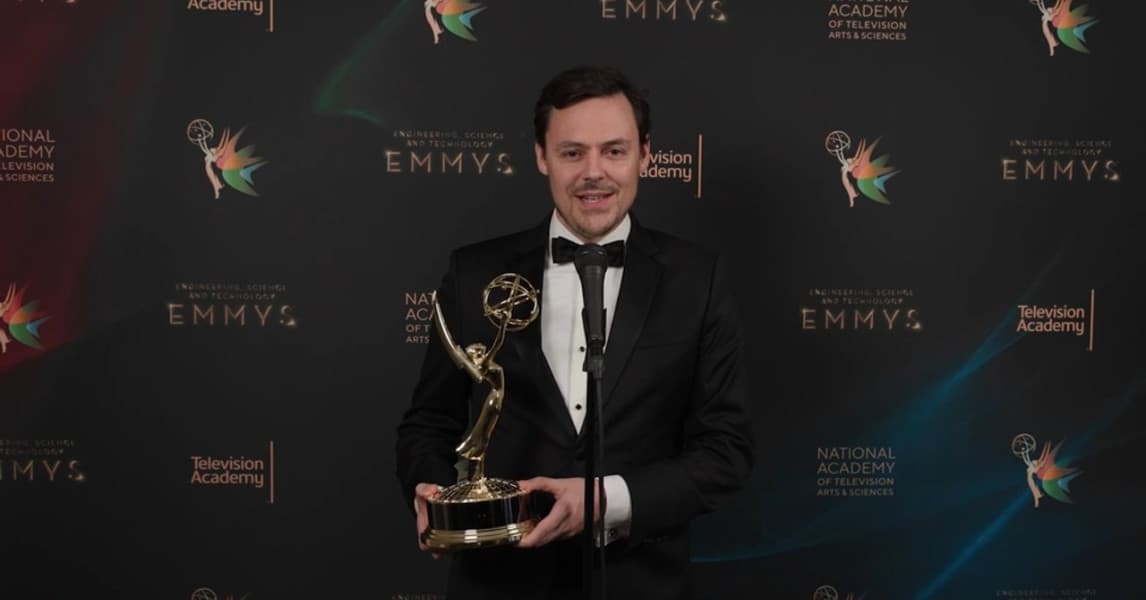
October 2026 · Television Academy
Technology & Engineering Emmy®
Jo accepts the 2026 Engineering Emmy on behalf of BRAHMA AI, recognising the development of AI-based face replacement and performance-preserving post-production transformation.
CTO, BRAHMA AI
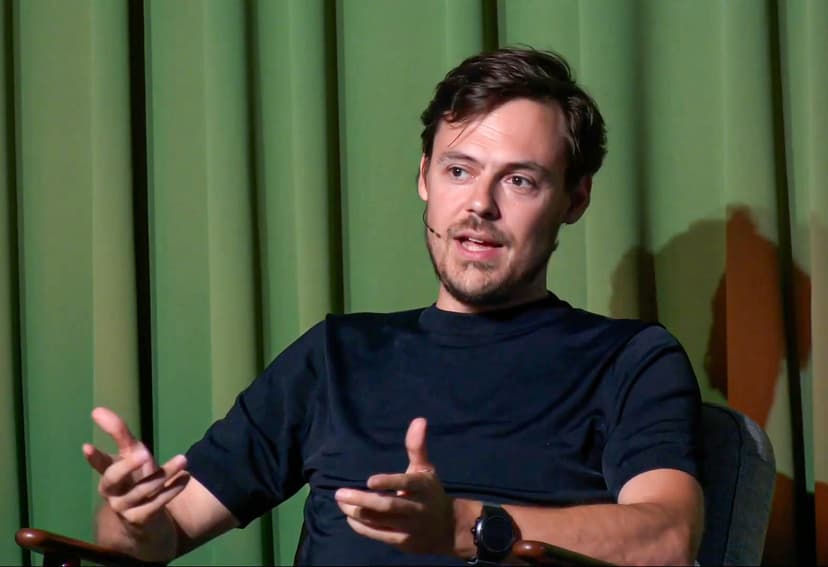
Jo Plaete is CTO and Co-founder at BRAHMA AI, where he leads the vision and development of high-fidelity generative video and digital human technologies for enterprise, film, and live experiences. His work focuses on building scalable, production-ready AI systems and product workflows that enable organisations and storytellers to create photoreal audiovisual content with control, reliability, and trust.
An early pioneer in neural performance technology, Jo has spent the past several years architecting and deploying AI systems designed to meet the highest creative and technical demands. Together with his teams, he has developed tools and workflows that have powered productions for directors such as Robert Zemeckis, George Miller, and Fede Alvarez, including the digital de-aging of Tom Hanks and Robin Wright in Here. His work also spans live and broadcast productions with artists including Eminem, Drake, Dr. Dre, Snoop Dogg, Usher, and Cai Guo-Qiang.
In 2025, Jo won the Visual Effects Society’s Emerging Technology Award with the Metaphysic team for Here’s Neural Performance Toolset. Watch his acceptance speech.
In 2026, BRAHMA AI received a Technology & Engineering Emmy® for AI-based face replacement and performance-preserving post-production transformation. Jo accepted the award on behalf of the company. Watch his Emmy acceptance speech.
These projects serve as large-scale validation of the robustness, scalability, and quality bar of the technology now being advanced at BRAHMA AI, spanning real-time systems, production pipelines, and enterprise-grade deployment.
Prior to joining BRAHMA AI’s leadership, Jo spent nearly two decades in post-production across innovation, engineering, and creative supervision roles at Industrial Light & Magic, MPC, Metaphysic, and other global studios. His background includes building pipelines and supervising high-end production on projects such as ABBA Voyage Live Concert Experience, Ready Player One, Star Wars: The Last Jedi, Guardians of the Galaxy, and World War Z.
In parallel with his executive role, Jo regularly speaks on AI, systems design, and production-grade deployment at conferences including NVIDIA GTC, SIGGRAPH, FMX, VIEW, and FOCUS.
Outside of work, Jo can be found producing electronic music and running ultramarathons.
October 2026 · Television Academy
Jo accepts the 2026 Engineering Emmy on behalf of BRAHMA AI, recognising the development of AI-based face replacement and performance-preserving post-production transformation.
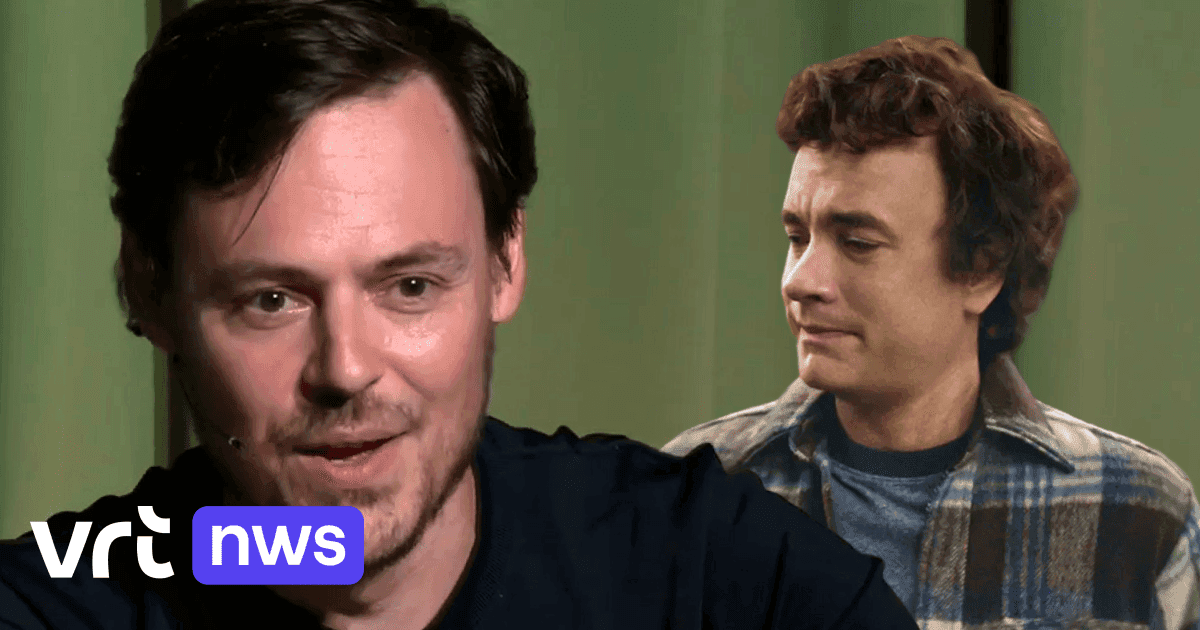
October 2026 · VRT NWS
A look at the Emmy-winning technology behind digital de-aging and multilingual performances, preserving an actor’s voice, expression and performance.

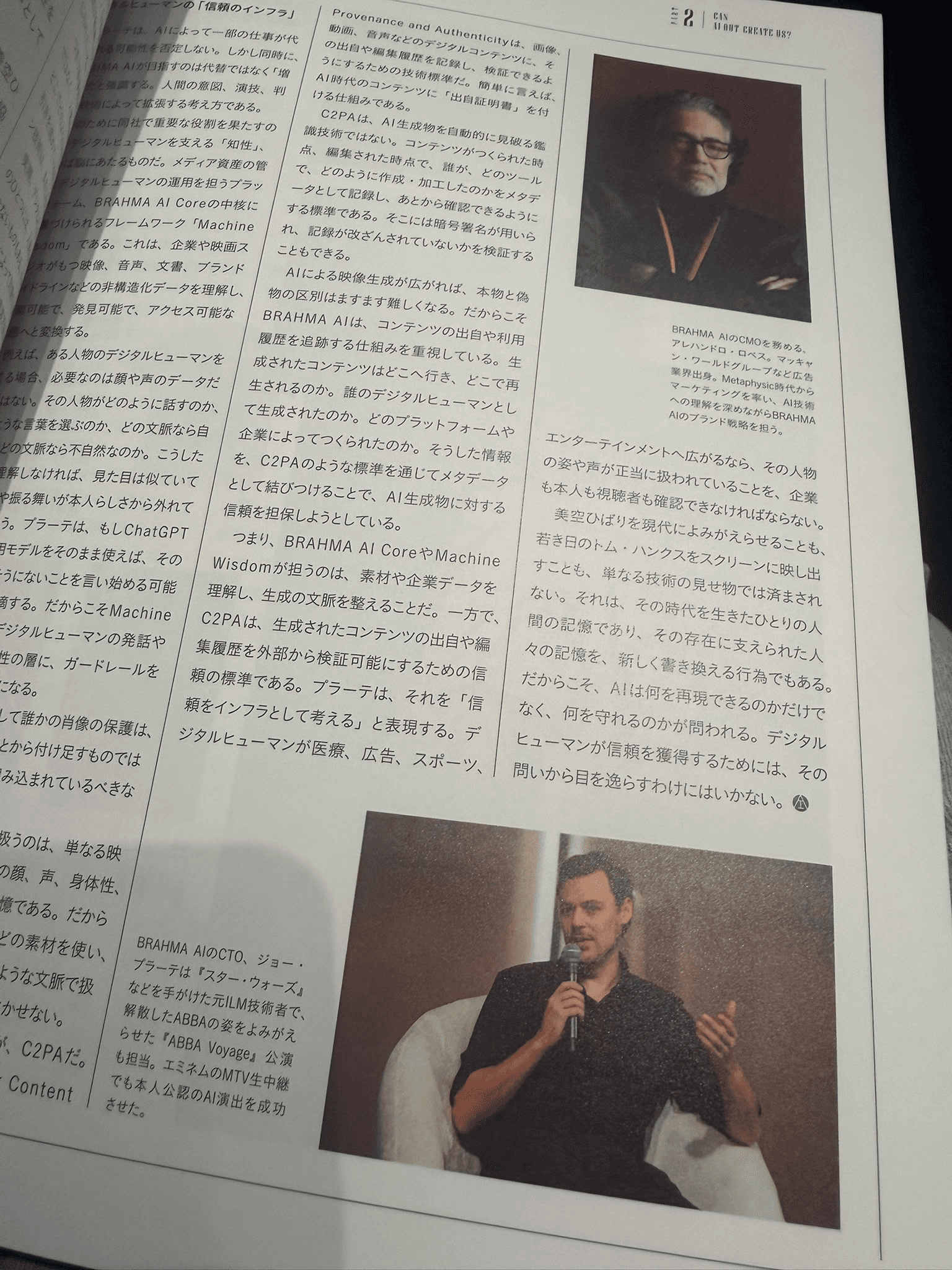
October 2026 issue · Forbes Japan
Featured in Forbes Japan’s HUMAN-CENTERED AI special issue. A look at digital humans, creativity, and how to navigate trust and authenticity in the age of AI, including work in the Japanese market.

23 September 2026 · BRAHMA AI
A $150 million funding round led by Multiples Alternate Asset Management, supporting further R&D and global expansion of BRAHMA AI’s enterprise audiovisual platform.
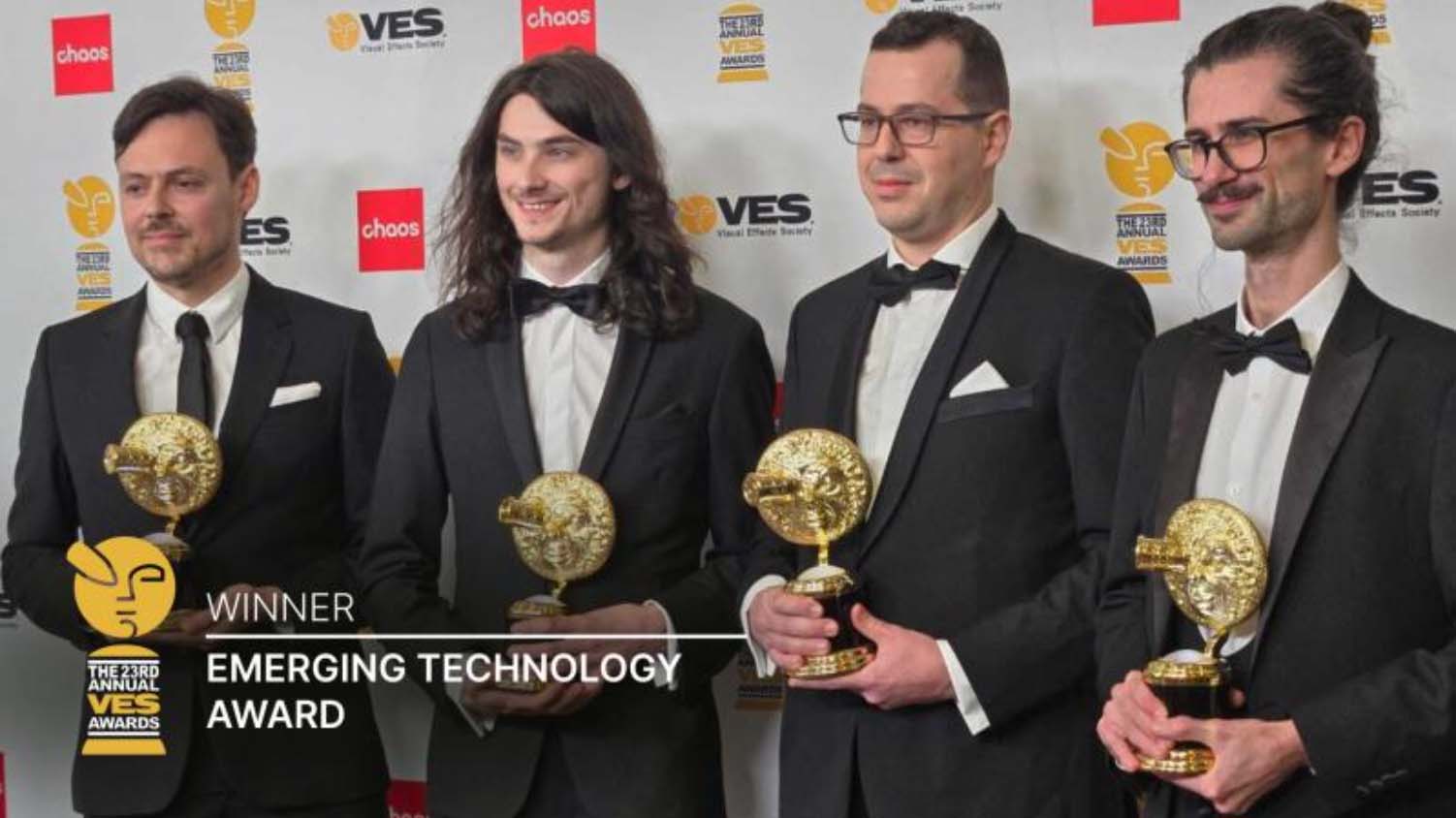
February 2025 · Visual Effects Society
Jo was honoured to win with the team for Here’s Neural Performance Toolset. A recognition of the technology and the artists who bring it to life.

March 2026 · BRAHMA AI
BRAHMA AI and Google Cloud are working together to bring interactive, multilingual digital humans to enterprises worldwide. Jo’s ATMAN digital human explains the collaboration in BRAHMA AI’s video.

June 2026 · BRAHMA AI
“By combining Hakuhodo DY Group’s creative heritage with BRAHMA AI’s technological innovation, we are establishing a new category of communication.” — Jo Plaete
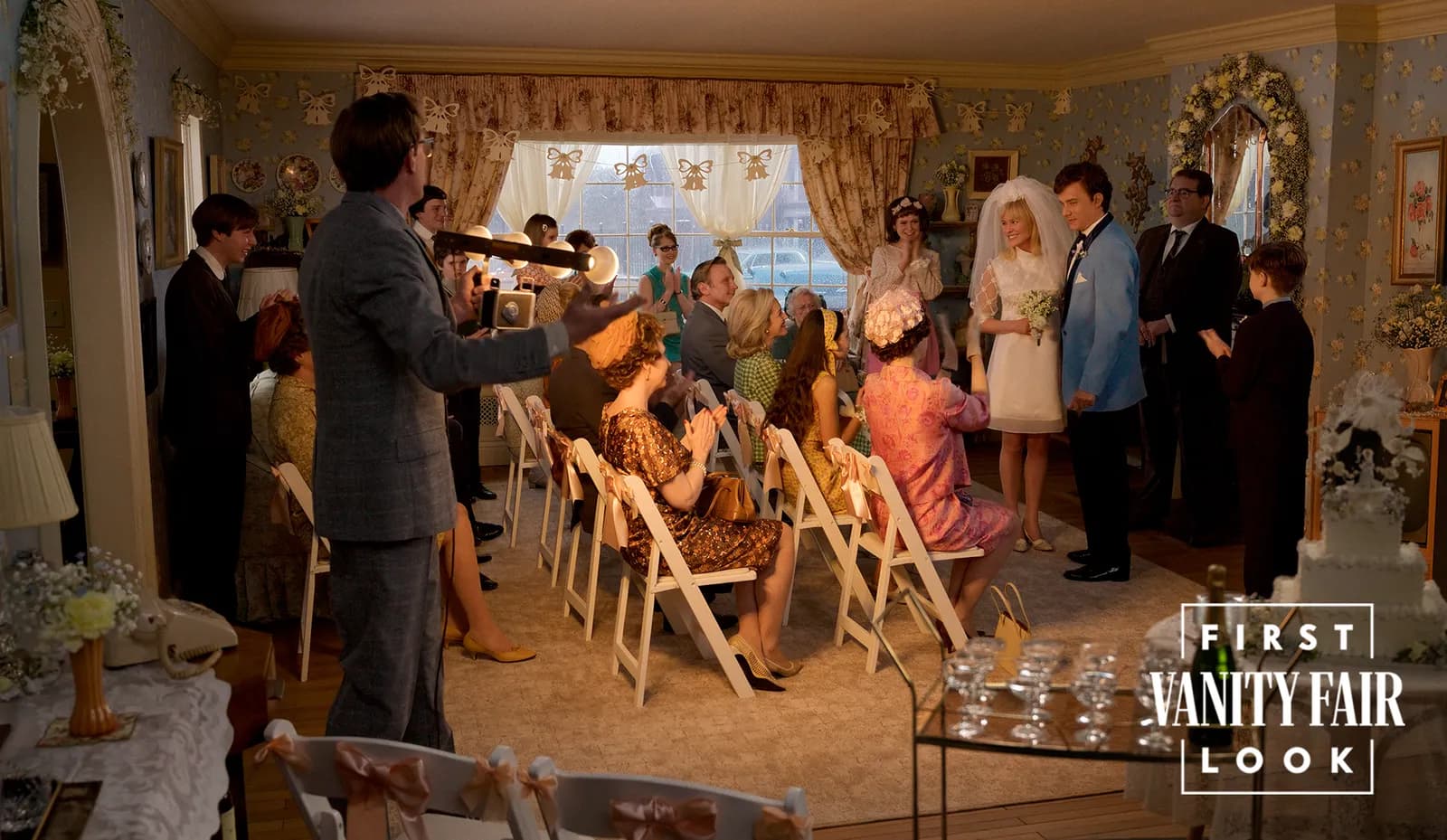
January 2025 · beforesandafters
Plaete adds that he was surprised to see Zemeckis constantly referring to the monitor displaying the live face swap, rather than the raw feed. “It was the highest praise to see if a filmmaker that level used that tool constantly on the set. The actors themselves, as well, would come back after every take to analyze if the facial performance with the young face would work on the body.”
January 2025 · teamdeakins
Jo Plaete joins the Team Deakins Podcast to discuss AI technology and its use in several recently-released films. Having come up through the VFX world, Jo compares the techniques of more traditional VFX artists to what he does today using artificial intelligence.
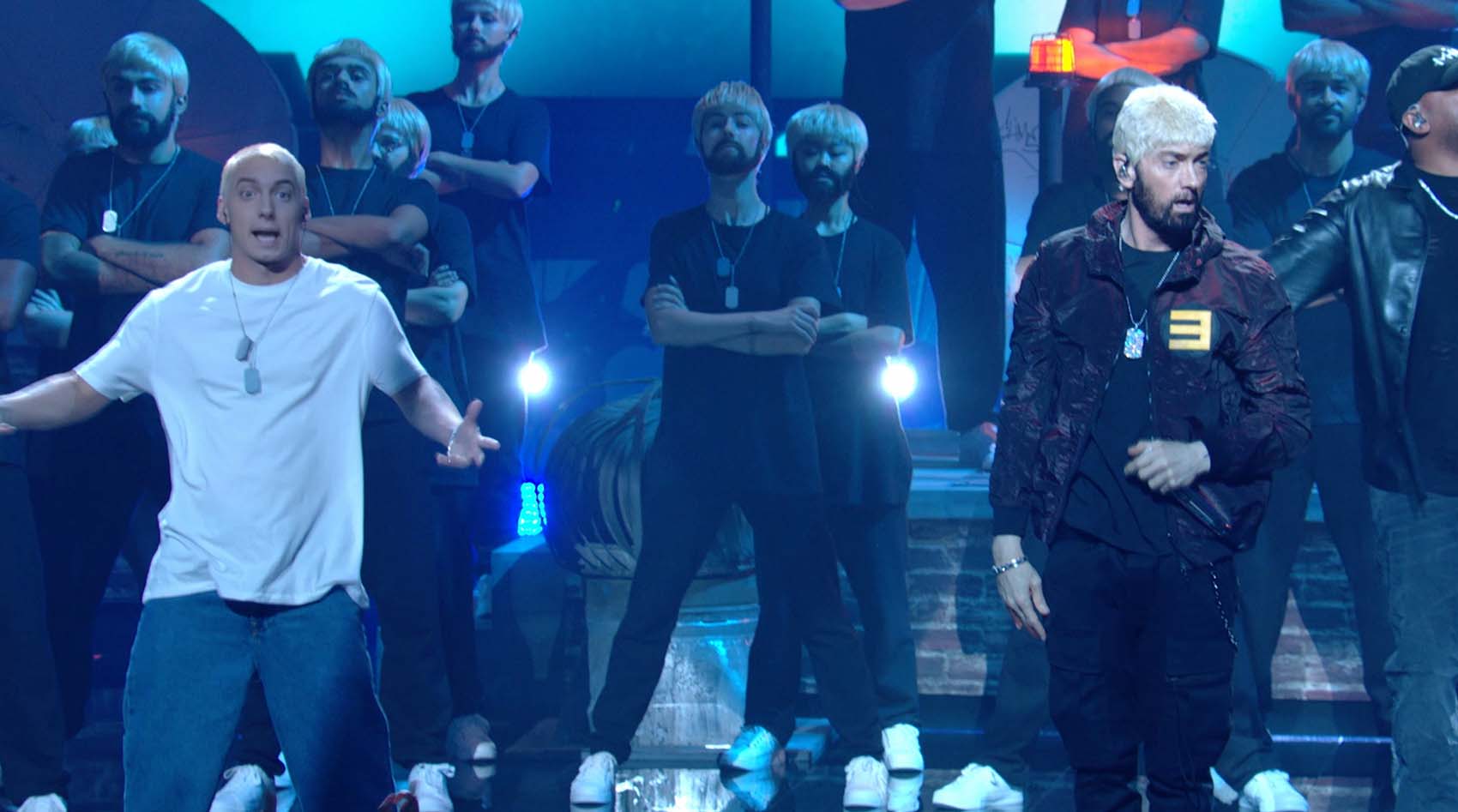
September 2024 · virtualproducer
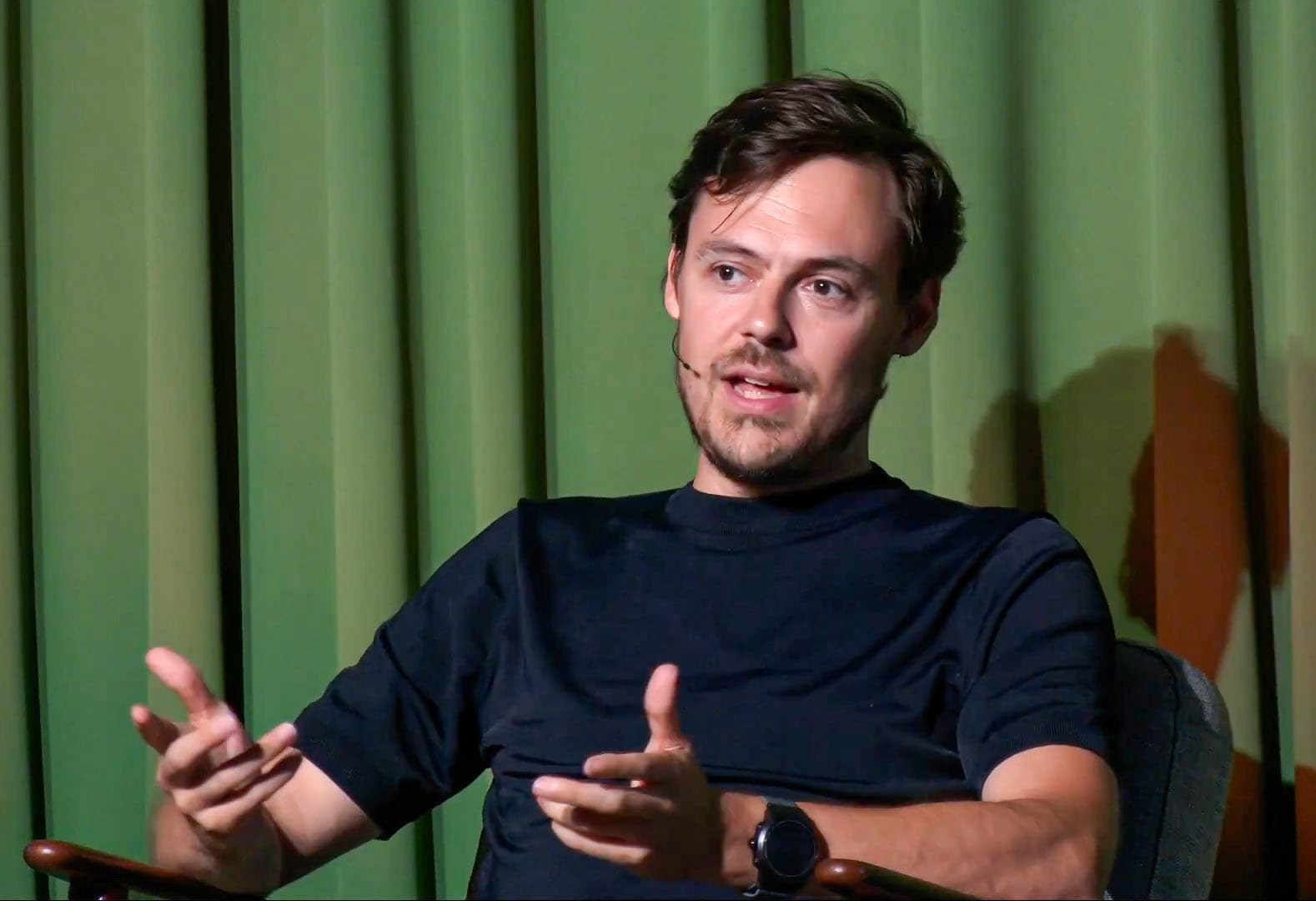
The process of bringing Slim Shady to life was complex and required careful planning, according to Jo Plaete, Chief Innovation at Metaphysic. “The basic workflow involves several key stages, each tailored to address the unique challenges of the specific show,” Plaete explains.
November 2024 · detijd
A few years ago, Flemish innovator Jo Plaete brought the legendary pop band ABBA back to life, and now he’s giving top actors Tom Hanks and Robin Wright a digital rejuvenation. (flemish article)
November 2024 · fxguide
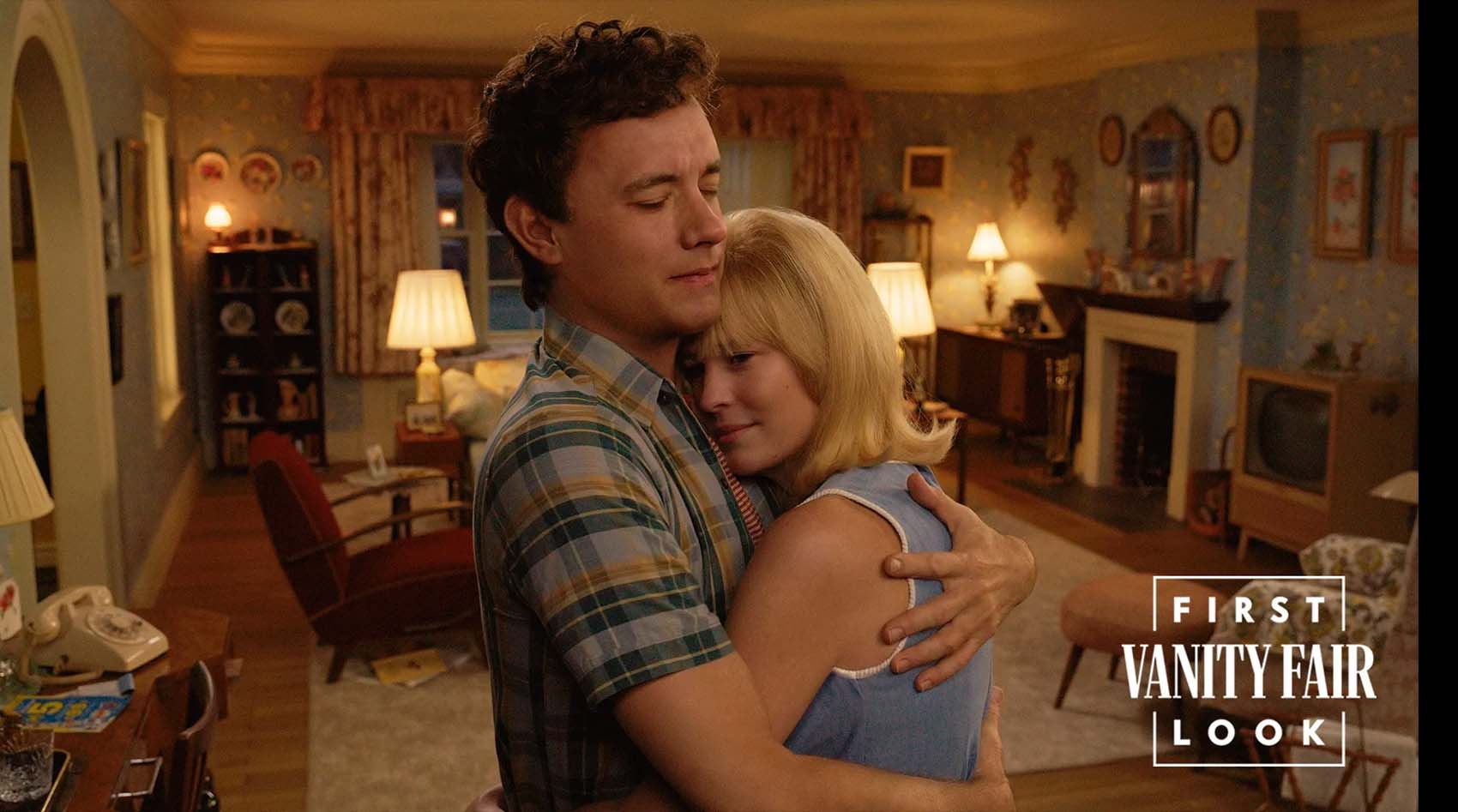
With Kevin Baillie. The film has over 53 minutes of complete face replacement work, done primarily by Metaphysics, led by Metaphysic’s VFX Supervisor, Jo Plaete. Metaphysic’s proprietary process involves training a neural network model on a reference input, in this case, footage and images of a younger Hanks, with artist refinement of the results until the model is ready for production.
November 2024 · nytimes
“You can’t expect James Cameron to prompt an ‘Avatar’ scene,” says Jo Plaete, Metaphysic’s chief innovation officer and the lead architect of the A.I. tools used in “Here.” “It’s just not going to work. Or with Bob Zemeckis or Steven Spielberg — if you’ve ever made a movie with one of these guys, you know that they will want to change every pixel if they can.”
November 2024 · chaos
Jo Plaete, a pioneer in digital humans and chief innovation officer at Metaphysic, joins the podcast to discuss his company’s groundbreaking work on the newly released film Here, now in theaters.
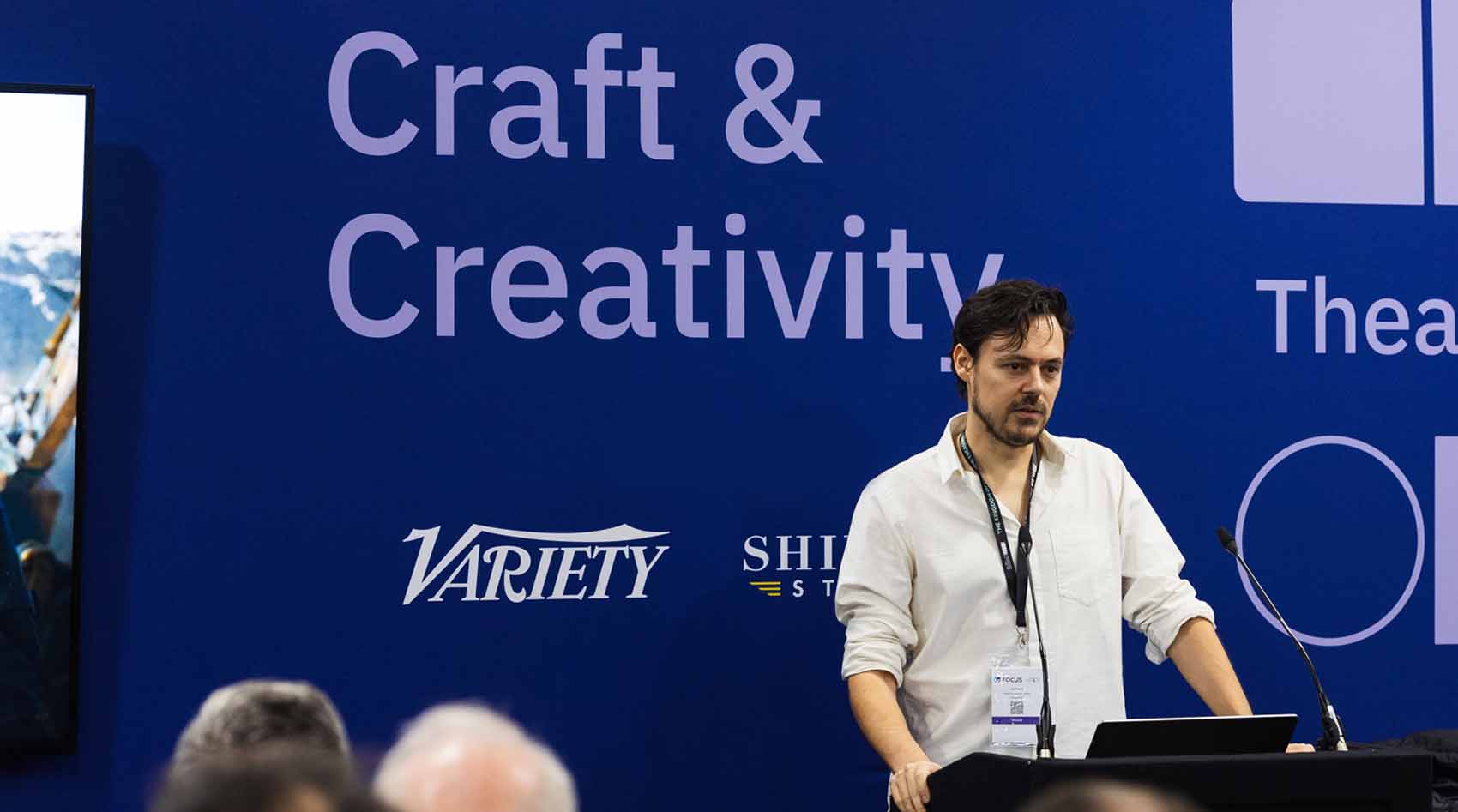
December 2024 · linkedin
Aleksandar Sandorov praises Jo Plaete’s FOCUS London talk on how Metaphysic.ai de-aged Tom Hanks and Robin Wright for Robert Zemeckis’ Here using neural networks.
VFX/AI Supervisor
For HERE (2024), Jo and his teams created 60 minutes of AI-driven, photoreal de-aging of iconic actors like Tom Hanks and Robin Wright, maintaining their full performances while bridging 40+ years of age gaps. As Chief Innovation Officer at Metaphysic.ai and Visual Effects Supervisor for HERE, Jo led the design and development of the team’s neural performance toolset, creating the workflows and pipelines that enabled the seamless de-aging and aging of actors like Tom Hanks, Robin Wright, Paul Bettany, and Kelly Reilly across multiple age ranges. The team’s AI-driven solution avoided the uncanny pitfalls of traditional methods such as prosthetics and CGI by generating photorealism and preserving the emotional depth and nuance of each performance. As the principal architect behind the technology, he guided both creative and technical teams to come together and deliver an unprecedented solution delivering seamless synthetic renditions of the actors' performances.
Winning the screen test with a small startup team of 20 people, competing against top-tier VFX studios, validated the team’s technology and secured the trust of director Robert Zemeckis and Visual Effects Supervisor Kevin Baillie. Their partnership was instrumental in pushing the boundaries of AI in visual effects, enabling the team to achieve performances that were previously unthinkable. To meet the demands of the project, Jo was instrumental in scaling the studio from 20 to 140 people, recruiting creative and engineering talent to form high-performing teams capable of innovation and problem solving for world-class clients.
On set, the team implemented real-time AI-powered face-swapping to provide the filmmakers with instant feedback at minimal latency. This allowed Zemeckis to direct younger versions of the characters with precision and gave actors the opportunity to align their performances with live previews of their de-aged selves. The team also introduced the `Youth Mirror` system, enabling actors to rehearse in real-time with AI-generated previews, helping them adapt body language and expression to achieve seamless authenticity.
In post-production, Jo supervised the iterative refinement of AI outputs through neural performance editing and expert compositing, ensuring that every shot met the film's emotional and technical standards. He collaborated closely with the hair and makeup departments to align practical and digital elements, while custom compositing workflows ensured the flawless blending of AI-generated visuals into the film.
The groundbreaking work on HERE sets a new standard in filmmaking, demonstrating how AI technology and human artistry can unlock transformative creative possibilities.
VFX/AI Supervisor
In Furiosa: A Mad Max Story, directed by George Miller, Jo and his teams at Metaphysic played a pivotal role by leveraging the team’s advanced AI-generated VFX technology to bring back to life a fan-favorite character from the franchise, the Bullet Farmer. Originally portrayed by Richard Carter and now played by stand-in actor Lee Perry, this challenging task required the use of the team’s Metaphysic neural performance toolset, which was trained on licensed footage from Mad Max: Fury Road. Perry's performance was meticulously transferred into Richard Carter's Bullet Farmer likeness and expression space. Despite the limited dataset, which made training the AI models demanding, the team achieved remarkable results. Perfectionist compositing was deployed to seamlessly integrate the outputs of the team’s neural nets into the photography, further enhanced with AI-generated identity-specific detailing. The result is a flawless portrayal of the Bullet Farmer, capturing the essence of the character as a supporting role in the movie, just as fans remember him.
VFX/AI Supervisor
For Eminem: Houdini (2024), Jo and his teams recreated Slim Shady's youthful look, blending AI-driven enhancements and compositing to seamlessly unite Eminem with his alter ego. The music video garnered millions of views and the team won the first-ever VMA awarded for a digital character created by artists using an AI-powered pipeline.
In the "Houdini" music video, Eminem's iconic alter ego, Slim Shady, makes a dramatic return, stepping out of a portal to save Marshall Mathers' career. The video explores the duality of Slim Shady and Marshall Mathers, culminating in a rooftop standoff where the two characters merge into a unified Eminem. The team’s role in this project was to faithfully recreate Slim Shady using AI, capturing his youthful appearance with the signature white hair, which posed significant technical challenges.
To achieve the high fidelity required, the team trained AI models on data from Slim Shady's prime. Marshall Mathers played both himself and Slim Shady, with the AI synthesizing the latter's iconic look. The biggest challenge was recreating Slim Shady's hair, a task made difficult by the variability in hair data and the need for temporal stability in the final synthesis. The team’s solution involved creating a separate AI model specifically for the hair, ensuring it was consistent with the face generation.
The team pushed its neural performance toolset further by applying latent space constraints, guiding the model to synthesize the hair in the correct place with high-resolution detail. This approach allowed the team to achieve a believable and coherent recreation of Slim Shady that could stand up to close scrutiny. The process also involved extensive plate preparation and compositing, particularly in cleaning up the on-set wig to ensure the AI could accurately synthesize the hair.
The success of this project was not just in the technology but also in the collaboration between the AI synthesis and Marshall Mathers' on-set performance. His ability to portray both characters convincingly allowed the team’s AI models to capture and enhance the nuances of Slim Shady's look and behavior. The final product was a seamless blend of performance and technology, bringing Slim Shady back to life in a way that resonated strongly with fans.
Completed in just under three weeks, the "Houdini" music video was a technical achievement that showcased the potential of AI in visual effects. The video went viral, receiving millions of views and widespread acclaim for its innovative use of technology to recreate one of the most recognizable personas in hip-hop history.
Live AI Tech Supervisor
At the 2024 MTV Video Music Awards, audiences were treated to a groundbreaking fusion of technology and performance. Eminem, also known as Marshall Mathers, opened the show with a riveting performance of his latest release, "Houdini." In a stunning twist, he brought back to life his iconic alter ego, Slim Shady, not through traditional makeup or pre-recorded visuals, but via live generative AI technology developed by Metaphysic. This innovative collaboration not only captivated viewers worldwide but also earned the team the VMA for Best Visual Effects in a Music Video.
During the live performance, once the system identified Josh's face, the AI model performed the neural swap in real time. Driven by Josh's facial movements and positioning on stage, the AI resynthesized Slim Shady's face with remarkable precision. Every step of the pipeline was optimized to operate within a strict millisecond budget, keeping the entire processing time under 200 milliseconds. This ensured that the AI-generated content remained perfectly synchronized with the live performance, free from perceptible delays.
Collaboration with the venue and broadcast team was essential to maintain seamless integration. The processed signal was pushed back to the video truck in full resolution, where it was incorporated into the multicamera broadcast without causing any delays with other cameras. Redundancy and fail-safes were also in place, with a secondary system running concurrently to take over instantly if needed, ensuring uninterrupted broadcast quality.
Computer Graphics Supervisor: Digital ABBATARS
For the ABBA: Voyage concert experience, Industrial Light & Magic (ILM) was tasked with digitally time traveling the iconic band's members Agnetha, Anni-Frida, Björn and Benny back to their prime time appearances. For the duration of this fully computer graphics generated concert four continuous photo-real digital human facial performances had to be synthesised driven by their original current day counterparts and stand-in young actors.
Jo was responsible for the full pipeline deployed for creating the digital ABBATARs from asset builds to hair and cloth simulations, to a streamlined facial performance pipeline and last but not least pioneering neural tools within ILM to enhance the lifelikeness of the digital characters.
VFX/AI Supervisor
Jo and his team were appointed to help create the official commercial clip for Still Gin, the signature gin brand by Dr. Dre and Snoop Dogg. The concept of the clip centers around Dr. Dre and Snoop Dogg joining the Rat Pack, featuring their interaction with iconic performers Frank Sinatra and Sammy Davis Jr. Set in an old-school jazz theater club, this idea presented a unique challenge as both Sinatra and Davis had passed away.
VFX/AI Supervisor
As Visual Effects Supervisor for Alien: Romulus, Jo led the further advanced development of the team’s neural performance toolset to bring Rook, a humanoid robot, to life by re-creating the likeness of Ian Holm's iconic character, Ash, from 1979s Alien. The team’s AI-driven facial transfer technology preserved the emotional depth and nuance of the new actor's performance. The filmmakers captured the scenes using animatronics, but due to limitations in the physical performance, augmentation was required so the team overlaid its AI-powered facial replacements to ensure seamless integration with the photography.
Working closely with director Fede Álvarez and VFX Supervisor Eric Barba, the team injected the stand-in actor's performance into a neural network trained on archival footage of Holm. The team’s system provided the filmmakers with precise control over the final output, enabling them to tweak expressions, eye direction, and performance nuances. This innovative workflow gave Álvarez the flexibility to align each shot with his creative vision, ensuring Rook's look and performance felt authentic and emotionally resonant within the Alien universe.
Realtime AI Voice Project Supervisor
For TED 2024 in Vancouver, Jo and his team were tasked with assisting Cai Guo-Qiang, a Chinese New York-based artist, in delivering his TED Talk. The goal was to translate his speech from Mandarin to English as he delivered it on stage, with the translation coming through the PA system in real-time. Importantly, the translation would maintain the tonality, timbre, cadence, and accent of Cai's own voice, providing the audience with as authentic an experience as possible. A first on the TED stage!
Computer Graphics Supervisor
As Computer Graphics Supervisor on Aladdin, Jo led the creation of the Genie, a fully computer-generated character driven by Will Smith's performance capture. This project marked the first deployment of Disney's ANYMA facial performance capture technology at ILM, and he guided its implementation to ensure every nuance of Smith's expressions translated seamlessly into the Genie's whimsical and energetic persona. He oversaw the entire pipeline—from performance capture to final rendering—ensuring the character not only embodied Smith's unique style but also aligned with the film's magical tone.
Creating the Genie presented unique challenges, particularly balancing realism with fantasy. In addition to integrating performance capture with hand-animated enhancements, Jo and his teams developed the Genie's signature wispy smoke tail, a highly complex FX element. This required intricate simulations to make the smoke appear fluid and dynamic while maintaining artistic control over its shape and movement to complement the character's animated performance. The smoke tail had to feel ethereal yet responsive, seamlessly blending with the Genie's physical form to reflect his mystical, ever-changing nature.
Jo also oversaw the creation of The Cave of Wonders, ensuring the environment felt both mysterious and immersive, with careful attention to lighting and atmospheric effects. Additionally, he supervised the execution of the expansive desert sequences, which involved intricate sand simulations, integrated seamlessly with live-action photography and complex shape-shifting character effects.
The team’s work on Aladdin demonstrated the power of combining advanced performance capture technology with visual artistry, setting a new benchmark for digital characters. The Genie's creation exemplified how technical precision and creative collaboration can deliver a character that is both visually spectacular and emotionally engaging, enhancing the magic of the film's storytelling.
Computer Graphics Supervisor
As Computer Graphics Supervisor on Ready Player One, Jo oversaw the CG execution of the film's epic final battle scene—a massive, high-stakes sequence featuring hundreds of iconic characters interacting within a fully computer-generated environment. This project marked the culmination of a new crowd system developed for ILM, specifically designed to manage the complexity and scale required for this work. The system facilitated seamless integration of vast background crowds with hero characters, ensuring a perfect balance of scale, detail, and narrative focus.
The sequence posed unique challenges, as it required the integration of characters from various franchises—each with distinct behaviors, movements, and visual styles. He led both the technical and creative teams to ensure the characters retained their unique identities while moving believably within the crowd system. Collaborating closely with animators and crowd specialists, the team used a hybrid approach that combined advanced simulations with hand-animated hero moments to ensure standout performances amidst the chaotic action.
The battle took place in highly complex digital environments, featuring shifting terrains, destructible elements, and large-scale combat interactions. He supervised the development and optimization of these environments, ensuring they could accommodate a vast number of dynamic characters, vehicles, and environmental elements without compromising visual fidelity or rendering performance. The process required close collaboration across departments, from animation and FX to lighting, environments, and compositing, to ensure every aspect aligned with the director's vision and enhanced the immersive, high-energy aesthetic of the film.
The team’s work on Ready Player One pushed the boundaries of CG filmmaking, setting a new benchmark for large-scale VFX sequences. The integration of ILM's crowd system with intricate hero interactions and massive digital environments demonstrated how innovative technology, artistry, and seamless collaboration can deliver a visually spectacular and narratively impactful experience.
Final Act Space Battle R&D and Supervision
As Lead Technical Director on Guardians of the Galaxy Vol. 1, Jo spearheaded the design and implementation of a high-scale space battle system for the film's climactic final act. This sequence involved coordinating thousands of ships, including starfighters, massive cruisers, and enemy fleets, in a fast-paced, visually stunning battle above Xandar. The challenge was to create a dynamic and immersive battlefield, blending large-scale procedural simulations with artistically controlled key moments to maintain narrative impact and visual coherence.
The space battle system Jo developed allowed for real-time interactions between fleets, such as ships colliding, forming formations, and breaking through defensive lines. It featured flexible behavior frameworks, ensuring that each faction, from the Ravagers to the Nova Corps, moved with unique combat strategies. He led the integration of procedural simulations with hand-animated hero shots, creating seamless transitions between automated crowd-like behaviors and meticulously choreographed sequences, such as the Nova Corps' energy shield formations.
One of the key achievements was optimizing the system to support rapid iterations, giving the creative teams freedom to explore different choreography options while maintaining efficiency and performance. The battle included complex environmental interactions with debris fields, laser fire, and explosions, heightening the spectacle and tension of the sequence. Jo’s work ensured that every element of the battle, from swarming fighters to large cruisers, felt authentic to the comic-book aesthetic while delivering the high-impact visual storytelling Marvel is known for.
This large-scale battle system exemplified the blend of technical innovation and creative collaboration, requiring close coordination with animation, FX, lighting, and compositing departments. The team’s work on Guardians of the Galaxy set a new standard for cinematic space battles, combining technical precision with artistry to create a visually thrilling and narratively compelling finale.
Supervisor: Opening Scene Crowd Simulation
On his first project at the new ILM London studio, Jo established and supervised a crowd simulation department, assessing the studio’s existing tools. He also built a new crowd simulation solution that was adopted by ILM worldwide.
Technical Director: Complex Crowd Simulation
As a Senior Technical Director on World War Z, Jo led the R&D and shot production for some of the most intricate and complex crowd simulations of the last decade. The project involved designing and executing large-scale simulations of thousands of zombies, pushing the boundaries of what crowd simulation technology could achieve at the time. The team’s goal was to create vast swarms of zombies that moved with a fluid, organic quality—flowing like liquid through urban environments, cascading over walls, and building human pyramids to breach defenses.
This work required the development of custom tools and workflows to handle the scale and complexity of the simulations. He worked closely with the VFX supervisors and animation teams to fine-tune the behavior of the crowds, ensuring the movement of the zombies felt both chaotic and purposeful. The team had to strike the perfect balance between random, mindless swarming and coordinated group behavior to make the action feel believable. The team developed intricate logic systems to control thousands of individual agents, enabling them to interact realistically with both their environment and each other.
The pyramid-building sequence in Jerusalem was a particular highlight, requiring highly advanced simulations where the zombies not only swarmed but used each other as leverage points to build unstable towers. This scene, along with the flowing crowd dynamics throughout the film, represented a significant leap forward in the field of crowd simulation. The team’s work set new standards for large-scale digital crowds in visual effects, influencing how complex simulations would be approached in the years to come.
Working on World War Z was an incredible technical challenge that demanded both innovation and collaboration across departments. From optimizing the simulations for efficient rendering to ensuring the animation and physics interacted smoothly, every step required careful planning and creative problem-solving. This experience allowed Jo to blend technical expertise with artistic direction, ensuring the zombie crowds were not just visually spectacular but also served the film's narrative with impact and intensity.
Technical Director: Complex Crowd Simulation
For the Comanche vs. Cavalry sequence in Disney's The Lone Ranger, Jo and his team at MPC were tasked with creating complex horse-and-rider simulations for scenes where a massive crowd of stampeding Comanche warriors are mowed down by the cavalry's Gatling guns. This sequence required an intricate blend of dynamic crowd behavior and physically accurate ragdoll simulations, ensuring both the riders and horses reacted believably to the chaos on the battlefield.
To achieve the desired realism, the team extended MPC's proprietary crowd system, ALICE, to integrate complex ragdoll physics simulations with motion-captured and hand-animated clips. This allowed the team to maintain artistic control over individual characters within the larger crowd, blending automated movement with precise direction for key moments. The ragdoll system ensured that the Comanche warriors and horses responded dynamically to impacts, stumbles, and gunfire, creating lifelike interactions between the crowd agents and the environment.
A major technical challenge was developing interactions between the riders and their horses, ensuring the ragdoll simulations accurately captured the weight and momentum of both. The team built a system where the movement of each horse could seamlessly influence the rider's behavior, from coordinated galloping to violent tumbles caused by gunfire. This required extensive testing and refinement, balancing physical accuracy with artistic direction to meet the filmmakers' creative vision.
The result was a highly detailed and visually compelling battle sequence where hundreds of Comanche warriors and their horses stampede across the battlefield in chaotic yet controlled motion. Each crowd agent had to react believably to the carnage, with bodies toppling, horses stumbling, and riders colliding mid-charge. This project pushed the limits of MPC's crowd technology and set new standards for how physically interactive crowds could be simulated, combining ragdoll physics with precise artistic control at an unprecedented scale.
Feature Animation R&D
VFX Supervisor
Pipeline Technical Director